

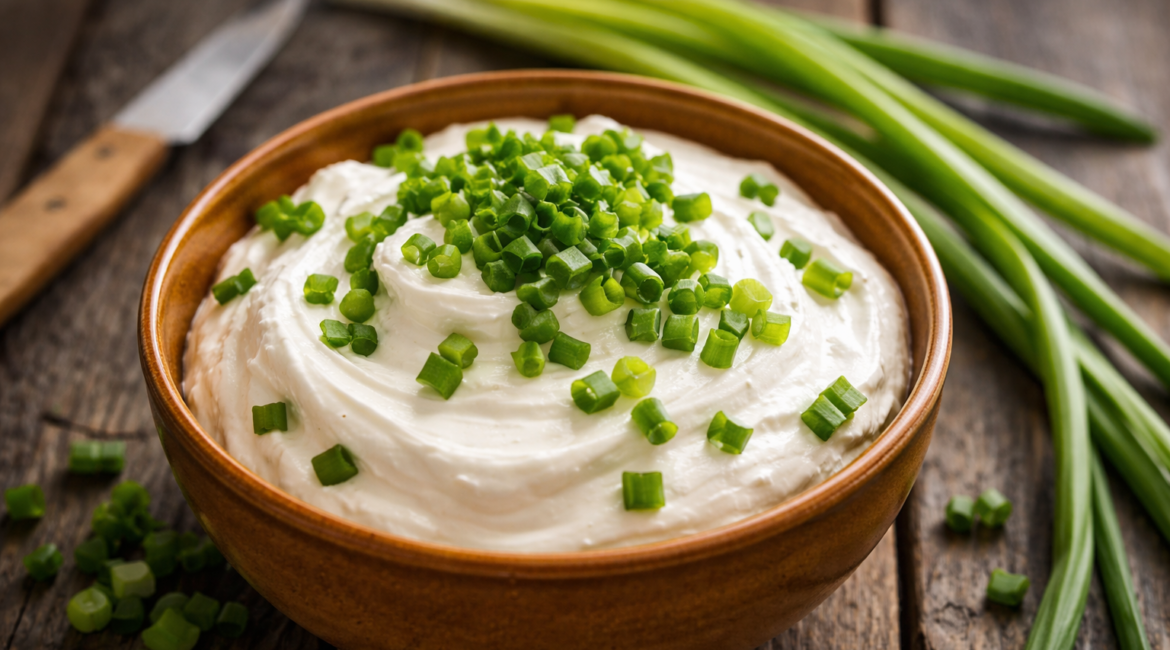
As the global food industry continues to embrace plant-based innovation and cleaner-label solutions, demand for vegan dairy alternatives is steadily rising. Among these, vegan sour cream stands out as a key category where consumers expect not only a dairy-free option, but also the same tangy richness, smooth mouthfeel, and reliable performance as traditional sour cream.
At the heart of this progress is carrageenan, a naturally derived hydrocolloid from red seaweed trusted for its ability to build structure, enhance creaminess, and stabilize complex food systems. In dairy and dessert applications, carrageenan plays a foundational role in creating smooth, cohesive textures, improving water retention, and maintaining product integrity across heating, cooling, and storage conditions.
Meeting these expectations requires more than simple substitution—it calls for carefully designed functional systems that can replicate dairy-like creaminess, texture, and stability while maintaining resilience during processing and storage. In this context, hydrocolloids play a vital role in building structure and delivering the familiar sensory experience consumers expect.
Carrageenan, a naturally derived hydrocolloid from red seaweed, is widely used in plant-based dairy applications for its ability to create smooth, cohesive textures and enhance system stability. In vegan sour cream, it helps build a creamy body, supports uniform viscosity, and improves moisture retention—ensuring a consistent product that resists separation and maintains quality throughout shelf life. The result is a thick, spoonable sour cream alternative with dependable performance across manufacturing, distribution, and end use.
The global carrageenan market is set for steady growth from 2026 to 2032, driven by increasing demand for natural, clean-label texturizers in food and beverage applications. The market is projected to reach approximately USD 1.05–1.10 billion by 2026 and expand to around USD 1.4 billion by 2032, reflecting a CAGR of 5.0–5.2% (Market Data Forecast; Fortune Business Insights). This growth is fueled by manufacturers’ preference for plant-derived stabilizers that deliver both strong functionality and label-friendly appeal.
Looking ahead, the carrageenan market in dairy applications alone is expected to approach or exceed USD 1.1 billion by 2030–2032, highlighting the strong link between dairy category growth and carrageenan adoption (Market Data Forecast). As demand for clean-label, non-GMO, and high-performing formulations continues to rise, carrageenan remains a core ingredient—delivering consistent texture, optimized viscosity, and reliable stability across both dairy and plant-based cream applications. Its formulation flexibility allows manufacturers to maintain product integrity and processing
To translate these market and formulation trends into practical product development, manufacturers require solutions that not only deliver functional performance but also ensure consistency, stability, and sensory quality in finished applications such as vegan sour cream.
For this application, we recommend RICOGEL 86233, a non-GMO carrageenan-based solution developed for reliable stabilization and texturizing. It forms a smooth, cohesive structure with enhanced viscosity and body, minimizes syneresis, and ensures excellent water retention. With its optimized functionality, RICOGEL 86233 enables manufacturers to produce vegan sour cream with enhanced creaminess, stable texture, and consistent quality—meeting evolving consumer expectations while supporting efficient, reliable production.
Points to consider:
- The recommended dosage is 0.5% – 1.0% of the total weight.
- RICOGEL 86233 is non-GMO (Genetically modified Organism).
- RICOGEL 86233 delivers reliable stabilization and texturizing in dairy applications, with excellent milk protein reactivity that enhances structure, consistency, and overall product performance.
